Mold Restoration in Dallas, TX
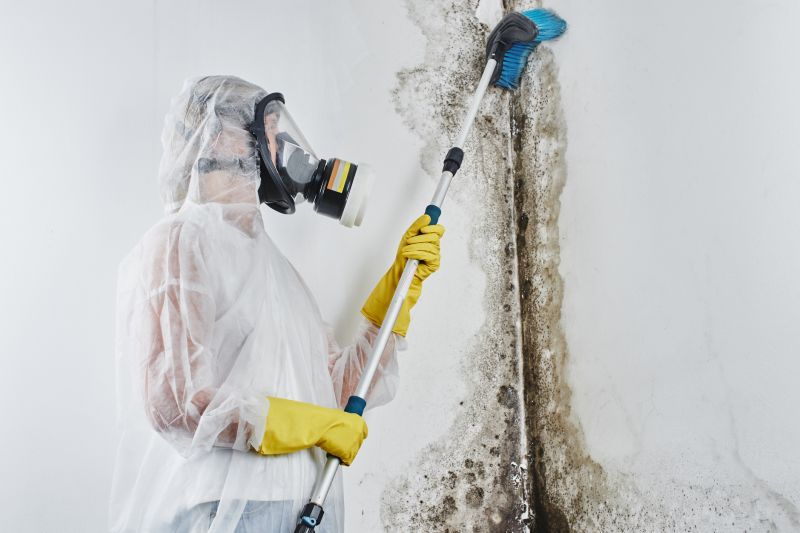
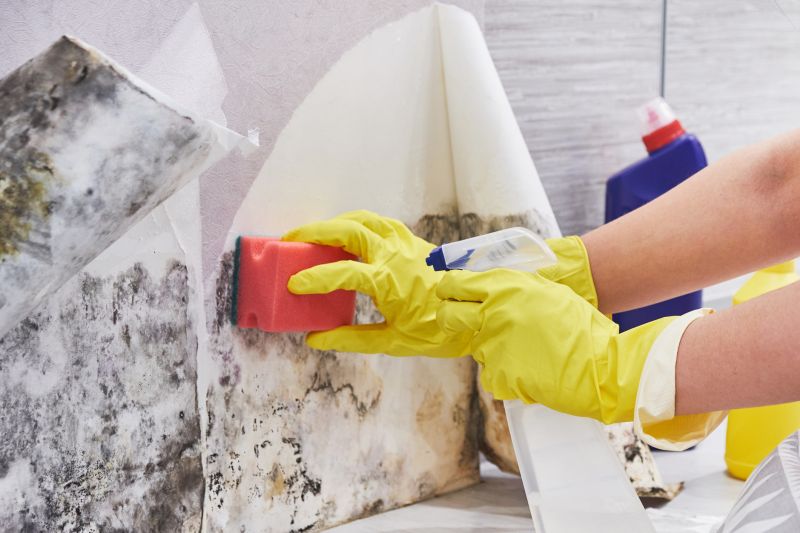
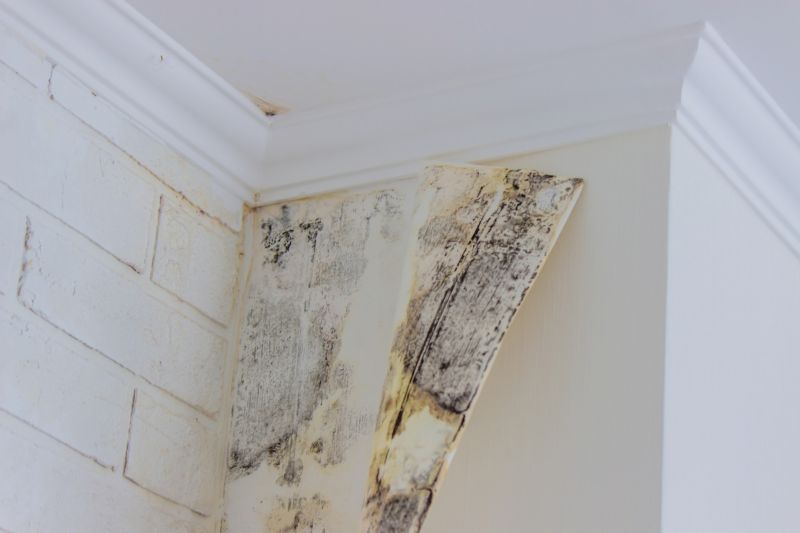
Mold restoration services involve the removal and remediation of mold growth that can develop in residential properties due to moisture issues, leaks, or high humidity. These projects typically include identifying the source of mold, containing affected areas to prevent spread, and thoroughly cleaning and treating surfaces to eliminate mold colonies. Property owners may request mold restoration after noticing musty odors, visible mold growth, or experiencing health symptoms linked to mold exposure. Understanding the extent of mold presence and the underlying cause is essential before initiating restoration work to ensure effective and long-lasting results.
Homeowners and property owners should be aware that mold restoration can involve different levels of intervention, from surface cleaning to extensive removal of affected materials. It’s important to assess whether the mold growth is confined or widespread, as this influences the scope of work needed. Clarifying concerns about potential health risks, the types of materials affected, and the moisture sources contributing to mold growth can help determine the appropriate approach. Contacting professionals for a thorough inspection can provide valuable insights into the best steps for addressing mold issues effectively.
Many property owners in Dallas, TX look into Mold Restoration for repairs, replacements, upgrades, and appearance-related improvements.
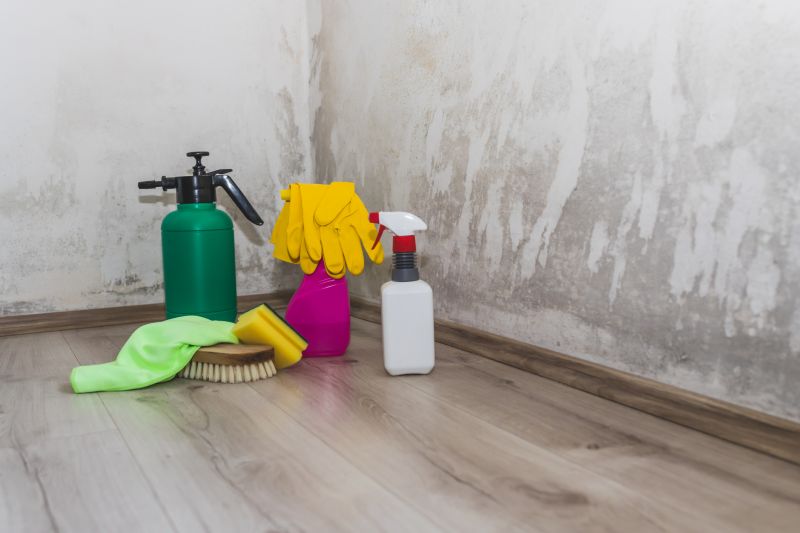
Mold Damage Prevention
Addressing moisture issues helps prevent mold growth in residential and commercial spaces.
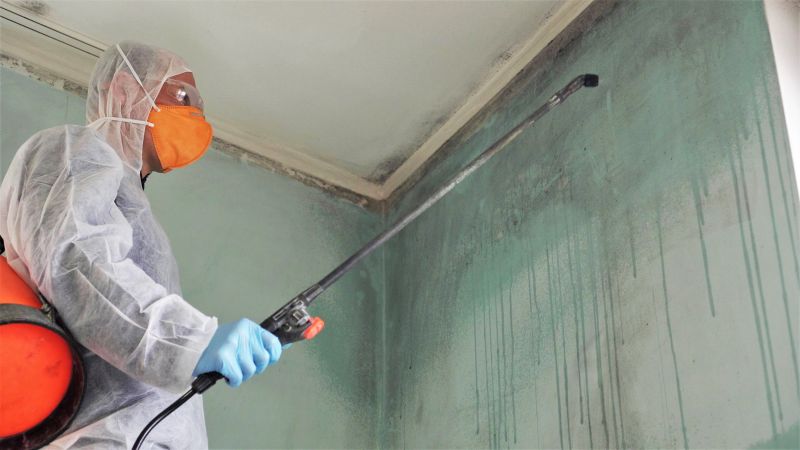
Comprehensive Mold Cleanup
Effective removal of mold ensures healthier indoor air quality and protects property value.
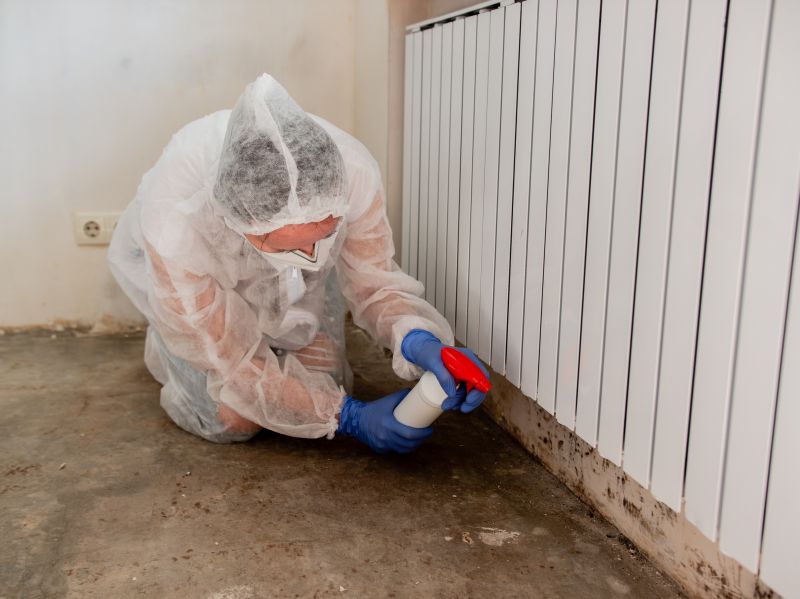
Restoration And Repairs
Restoring affected areas restores safety and comfort in homes and businesses across dallas, tx.
Mold Restoration in Dallas, TX
Mold restoration services involve the removal and remediation of mold growth that can develop in residential properties due to moisture issues, leaks, or high humidity. These projects typically include identifying the source of mold, containing affected areas to prevent spread, and thoroughly cleaning and treating surfaces to eliminate mold colonies. Property owners may request mold restoration after noticing musty odors, visible mold growth, or experiencing health symptoms linked to mold exposure. Understanding the extent of mold presence and the underlying cause is essential before initiating restoration work to ensure effective and long-lasting results.
Homeowners and property owners should be aware that mold restoration can involve different levels of intervention, from surface cleaning to extensive removal of affected materials. It’s important to assess whether the mold growth is confined or widespread, as this influences the scope of work needed. Clarifying concerns about potential health risks, the types of materials affected, and the moisture sources contributing to mold growth can help determine the appropriate approach. Contacting professionals for a thorough inspection can provide valuable insights into the best steps for addressing mold issues effectively.
Many property owners in Dallas, TX look into Mold Restoration for repairs, replacements, upgrades, and appearance-related improvements.
Common Mold Restoration Jobs
Mold remediation - removal of mold growth from affected areas to improve indoor air quality.
Water damage restoration - addressing moisture issues that contribute to mold development.
Drying and dehumidification - reducing humidity levels to prevent mold from returning.
Structural drying - drying out walls, floors, and other building materials impacted by moisture.
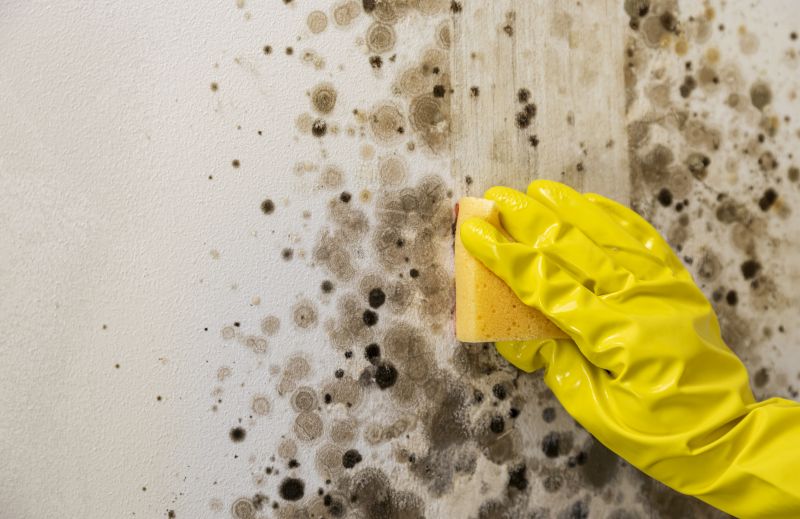
Mold cleaning and sanitation - thorough cleaning of surfaces to eliminate mold spores and prevent regrowth.
Post-removal testing - verifying that mold levels are safe after treatment is complete.
Mold Restoration Questions
What causes mold growth in homes? Mold can develop due to excess moisture from leaks, humidity, or poor ventilation, especially in damp areas like bathrooms and basements.
How does mold affect property health? Mold can cause allergies, respiratory issues, and other health problems, making removal important for indoor air quality.
What types of surfaces can be treated for mold? Mold can grow on walls, ceilings, wood, drywall, and other porous or non-porous surfaces that have been exposed to moisture.
Is mold removal necessary if I see visible growth? Yes, visible mold indicates active growth and should be addressed to prevent further spread and potential health risks.
Request Mold Restoration in Dallas, TX
Use the quote form on this page to share the basics of your project and request more information for the type of work you need.